
Common Gasoline Myths Debunked for Everyday Drivers
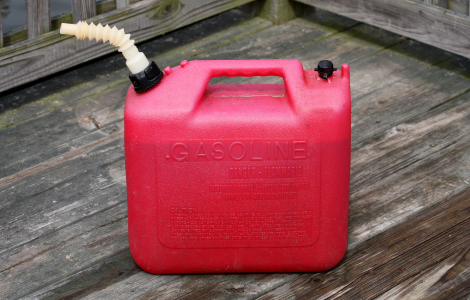 Gasoline fuels millions of vehicles each day, yet myths about the fuel and engine care are surprisingly widespread. Many of these tips are popular-sounding advice that won’t really help you and may actually harm your car or wallet in complicated ways. At Nitro-9, we want to ensure that drivers can make the most informed decisions. Let’s demystify some of the most common gasoline myths.
Myth: Premium Gasoline Always Improves Performance
Many motorists believe that using premium gasoline in their car will improve its performance. Actually, the higher-octane fuel is only a must-have if you drive an automobile that’s been engineered to need it. Filling a car that doesn’t require it with premium-grade gas seldom provides any performance advantage over regular (non-premium) gasoline, which is also usually cheaper.
Myth: Wait Until Your Tank is Empty Before Filling Up
When it comes to giving your fuel tank the ‘almost-full’ treatment, don’t. Operating on low fuel levels can pull residue from the bottom of the tank into the filters, increasing the likelihood of a plug. Simple acts, such as always keeping your tank at least a quarter full, can help protect your car’s fuel system.
Myth: Additives Can Cure All Engine Problems
While fuel additives can help clean a sticky fuel injector, contrary to popular belief, they are not a panacea for all engine problems. Excessive engine repair work is best left to professionals with the right tools and knowledge. Depending on additives will merely hide the problem for a while and can even cause damage in the long run.
Myth: You No Longer Need to Check the Octane for Older Cars
The thinking is that older cars or higher-mileage vehicles will run just fine on any gasoline. But even in an older engine, it’s essential to use the right octane rating. Using lower-octane gas in a car designed for higher ratings can result, after years of knocking and loss of power, in severe engine damage.
Myth: Gas Goes Bad Fast
And while gasoline degrades with age, it generally needs to sit for several months before losing its oomph. In a sealed, cool place, gasoline can last longer. Fuel stabilizers are also an option for extended storage, particularly for seasonal vehicles such as motorcycles and boats.
Myth: Diving Habits are All that Affect Fuel Economy
Aggressive driving may lower mileage, but other factors also affect fuel economy, including tire pressure, engine maintenance, weight in the trunk or backseat, and even the type of gas used. On a car, as with all things, regular upkeep and care are just as crucial as smooth driving habits.
Myth: Topping Off the Tank Gives You More MPG
Topping off after the pump clicks off is something some drivers do, in the mistaken belief that it will result in more fuel and improved efficiency. In modern cars, overflowing the tank can not only cause the check engine light to come on, but also damage the evaporative emissions system. Always discontinue filling when the pump instructions themselves handle that action.
Final Thoughts
Gasoline myths are also easy to believe: They seem plausible enough, and people like repeating them. But chasing myths risks wasting money, lowering fuel economy, and even damaging the engine. Here at Nitro-9, we recommend that drivers follow the guidelines from their car manufacturer and stay up-to-date with them, along with regular vehicle maintenance, to extend the life of every tank.
Play it smart, drive safe and fuel the right way with Nitro-9.
 When you pull up to the pump, you’ve no doubt observed all that variety in gasoline — regular, mid-grade, premium. That leads many drivers to wonder: Does premium fuel help, or is it one big waste of money? Here at Nitro-9, where it’s all about performance and precision, we’re here to bring you the straight dope on your fuel.
 Diesel engines run everything from big rigs to heavy equipment to farm machinery. These tough engines need care to last and perform at their best. A key factor in keeping your diesel engine healthy is the application of diesel fuel lubricants.
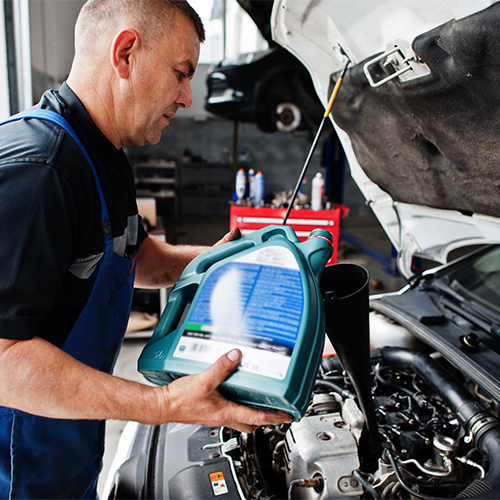 Engines are working every day, whether in the cars, trucks, or industrial machinery. Over time, it creates friction, heat, and wear, which can eat into your bottom line and cause more downtime and costly repairs. But is there a way to extend engine life while saving money? Enter nano-lubricants!
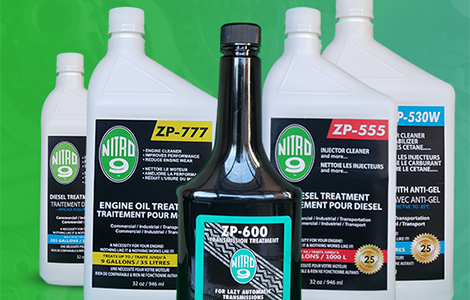 Industrial equipment machinery every day on the job, in the face of heat, friction and wear. As time goes by, there will be breakdowns, expensive repairs and lost energy. This is where Nitro-9 lubricants come to the rescue: they work by reducing both friction and wear, thereby lengthening equipment life as well as lowering maintenance costs.
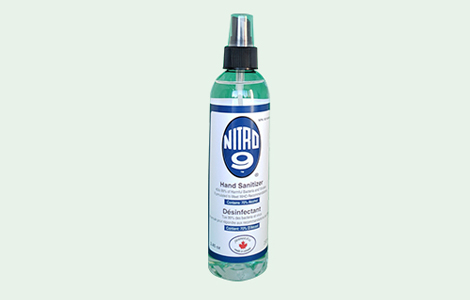 To remain solid and keep our spaces clean during the COVID-19 pandemic, numerous individuals utilize sanitizers and sanitizers more than they may have previously. It is recommended to restrict the spread of the COVID-19 infection, individuals should wash hands frequently with cleanser and water, and for surfaces, clean first with cleaner and water at that point sanitize. When utilized by mark headings, this will lessen the infection particles present that could taint individuals.
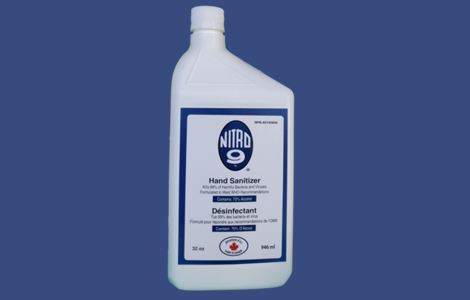 Regardless of whether you’re searching for irresistible infectious prevention measures to forestall COVID-19 transmission or a simple method to assist with combatting the standard influenza season, no-hand contact gadgets can help limit openness in your office. As an ever-increasing number of organizations are currently having representatives begin getting back to work in the wake of the COVID-19 pandemic, actualizing public security methodologies into your office is more essential than ever.
 The pandemic COVID-19 has created havoc in our economy and our lifestyle. Some are losing their jobs; on the other hand, new healthcare industry jobs are opening up. But what about our houses? Are we keeping it clean and sanitized enough? Are we protecting ourselves enough from preventing us from being in contact with the virus?